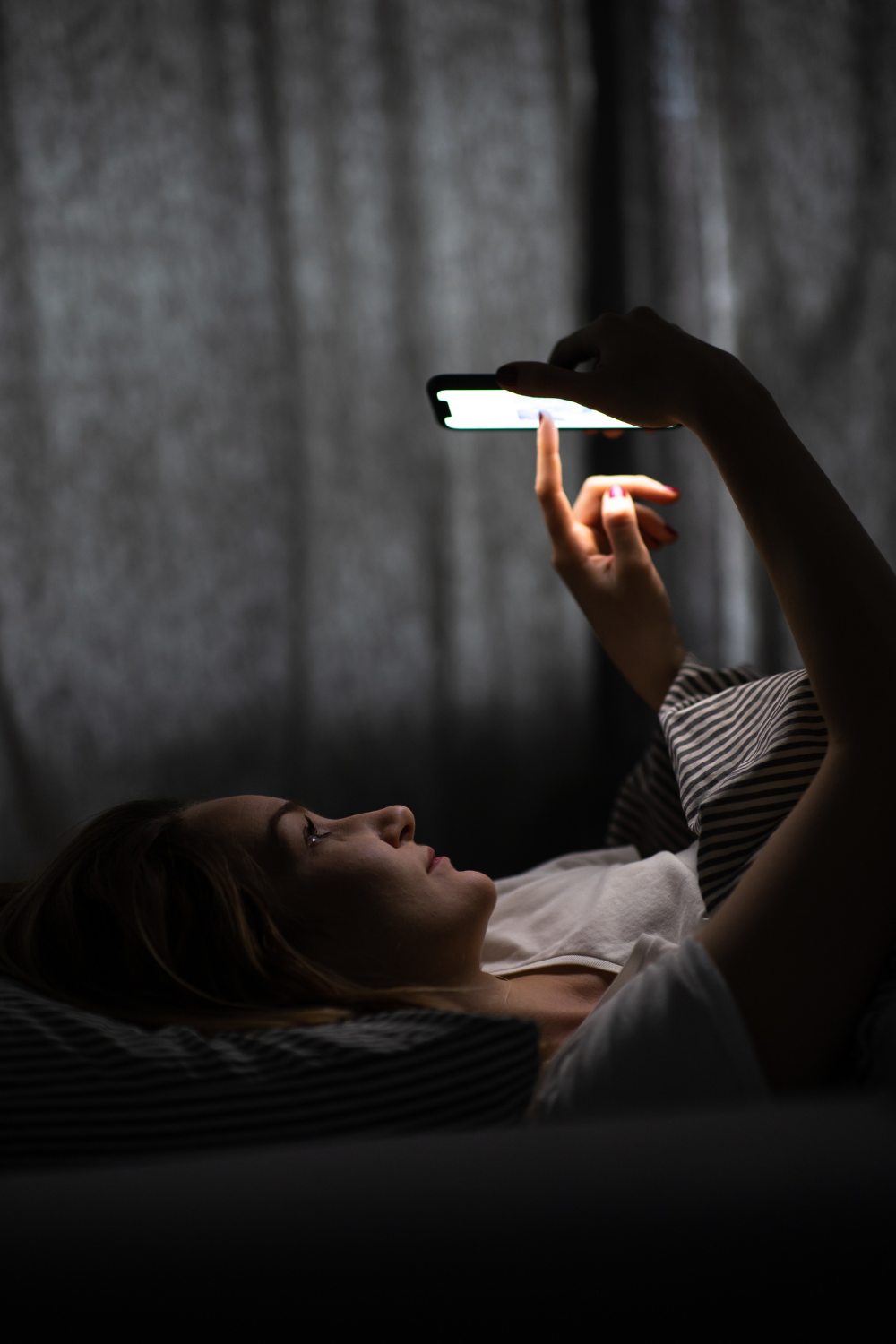
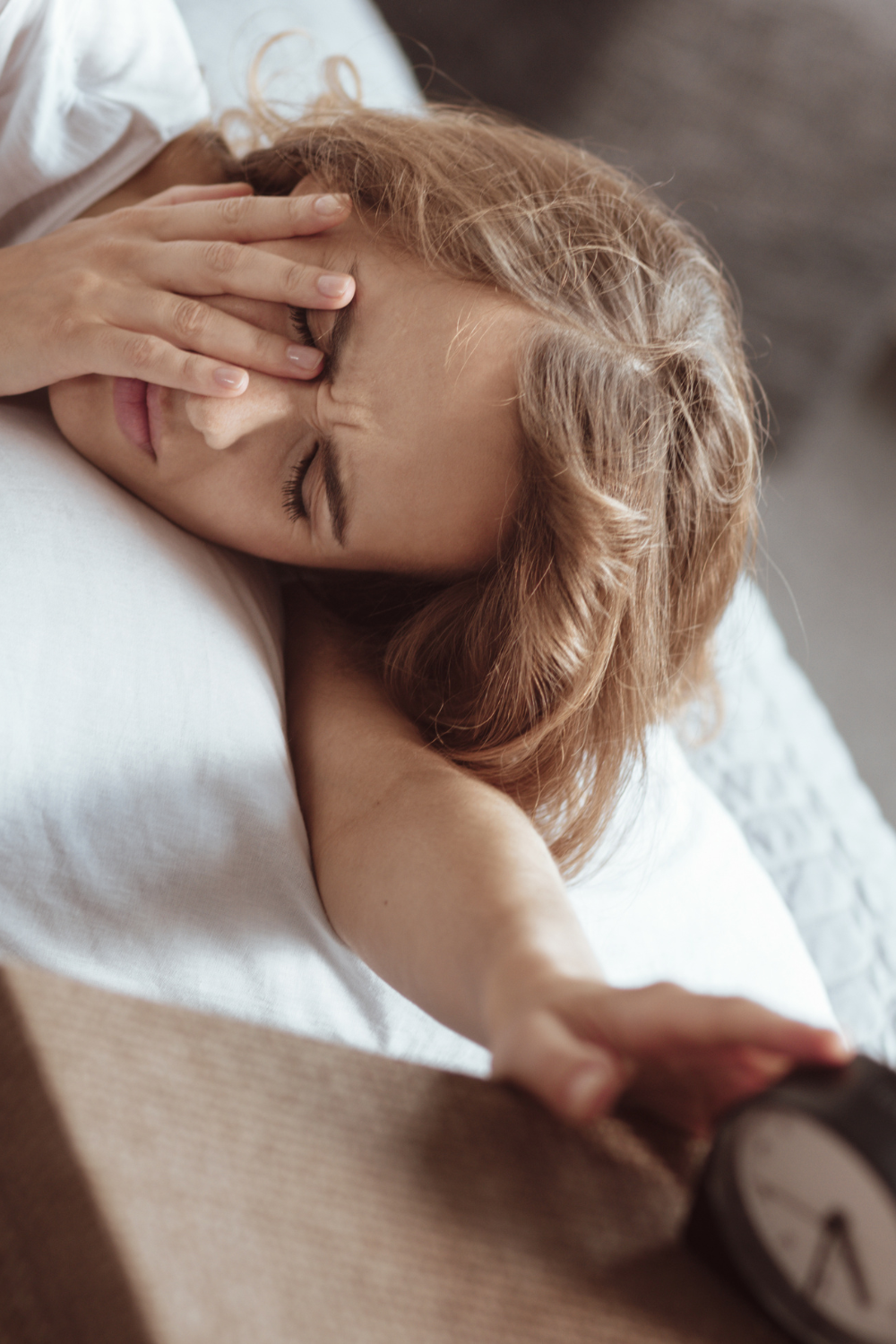
You wake up already tired, and not groggy tired, the kind coffee fixes, but genuinely exhausted, like you never actually slept, even though you were in bed for eight or nine hours.
Your partner has mentioned it more than once, the snoring, the moments where you seem to just stop breathing for a few seconds before gasping back into it. You've laughed it off, blamed it on being congested or sleeping on your back wrong.
And most mornings, your jaw aches. Sometimes your teeth feel sensitive in a way you can't quite explain, and you've caught yourself clenching during the day without meaning to.
You've chalked all of it up to stress, or busyness, or just getting older. Nobody's connected it to anything else.
Here's what almost never comes up: women with PMOS | PCOS are significantly more likely to have sleep apnea, and as a dental hygienist, some of the clearest early clues show up in your mouth long before a sleep study ever happens.
What's Actually Happening
PMOS | PCOS shows up differently for every woman. What follows is one common pattern behind this, not the only one. If it doesn't quite match your body, that doesn't mean this isn't PMOS | PCOS, it just means yours is showing up a different way.
Sleep apnea is a condition where breathing repeatedly stops and starts during sleep, most often because the airway partially or fully collapses. It fragments your sleep without you fully waking up enough to remember it, which is exactly why you can spend eight hours in bed and still wake up depleted.
Here's the mechanism connecting it to PMOS | PCOS. Elevated androgens and insulin resistance, both common features of PMOS | PCOS, are linked to changes in fat distribution around the neck and upper airway, along with shifts in muscle tone that make the airway more prone to collapsing during sleep. Some research also points to hormonal differences affecting how the brain regulates breathing during sleep itself. The result is a much higher rate of sleep apnea in women with PMOS | PCOS than in the general population, even in women who wouldn't necessarily be flagged as high risk by traditional screening.
This is where my background comes in. As a hygienist, who looked in mouths every day, there are specific things that show up long before someone ever gets referred for a sleep study. Excessive wear on the biting surfaces of teeth from nighttime grinding, a scalloped edge along the sides of the tongue, which happens when the tongue is pressed against the teeth repeatedly overnight, and jaw tension or soreness reported first thing in the morning are just a few defining symptoms. None of these get asked about at a typical doctor's visit, because they're dental findings, not medical ones, even though they're often the earliest visible sign that something is happening with your breathing at night.
You might be wondering, if I'm not overweight, does that mean sleep apnea isn't something I need to worry about? Not necessarily. Sleep apnea in PMOS | PCOS is tied to hormonal and airway factors that aren't limited to body size, which is exactly why it gets missed so often in women who don't fit the profile most screening tools are built around.
None of this happened because you're not trying hard enough to sleep well, or because you're overreacting to normal tiredness. Sleep apnea tied to PMOS | PCOS is a physiological pattern, not a willpower issue, and it deserves a real evaluation, not another cup of coffee.
If this is sounding familiar, this is exactly the kind of thing worth making sense of. Start with The PMOS | PCOS Symptom Decoder and let's untangle it together.
Why This Matters So Much for PMOS | PCOS
Untreated sleep apnea doesn't just leave you tired. It actively worsens insulin resistance, since fragmented sleep disrupts the hormones that regulate blood sugar and appetite. And worsening insulin resistance, in turn, tends to intensify PMOS | PCOS symptoms overall, the fatigue, the cravings, the weight struggles. It becomes a loop that quietly reinforces itself, night after night, without ever getting named.
This is also why the dental piece matters so much. A lot of women go years without a sleep apnea diagnosis simply because nobody looked in the one place that often shows the clearest early clue.
What to Do Next
Bring this up with your doctor directly, and be specific: mention the exhaustion despite adequate sleep, any reported snoring or breathing pauses, and morning jaw soreness or teeth sensitivity. Ask directly whether a sleep study makes sense, don't wait to be offered one, since this symptom cluster is rarely connected to PMOS | PCOS by default in a general practice visit.
And at your next dental cleaning, ask your dentist or dental hygienist directly: "Can you check for any signs of grinding or airway issues while you're in there?" It takes them thirty seconds to look, and it's information most patients never think to ask for.
Where Coaching Fits In
A sleep study or a diagnosis is the start of the conversation, not the end of it. If you're curious what coaching actually looks like day to day, here's what a PMOS | PCOS coach actually does.
Coaching becomes useful as we look at the full picture connecting sleep, insulin sensitivity, stress, and daily habits, and build a realistic approach that supports better sleep over time, alongside whatever treatment your doctor or dentist recommends, not instead of it.
If you've been waking up exhausted and wondering what's actually going on, you don't have to figure it out alone.
The Symptom Decoder is a short, plain-language read. No fluff, no pitch. You print it, mark it up, and walk away with one or two things worth bringing to your next appointment. Download The PMOS | PCOS Symptom Decoder → No pressure. No pitch. Just a clearer read on what your body might be telling you.
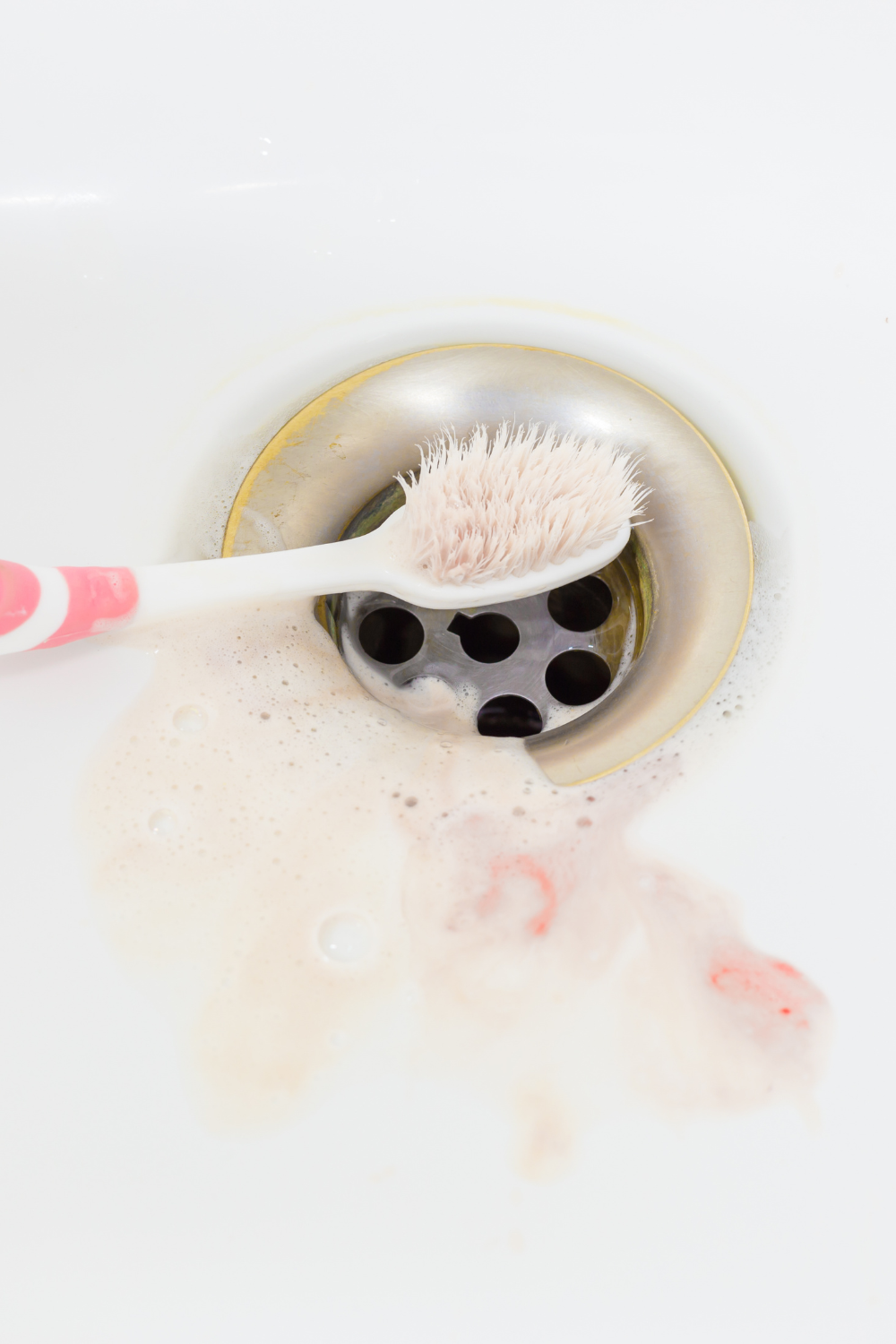
If you've noticed other changes too, things like fatigue that won't lift, cravings you can't seem to manage, or bleeding gums, those are worth a read too. These signals tend to show up together, and seeing the fuller pattern often makes everything click into place faster than looking at just one symptom on its own.