You're not seventeen anymore.
So why does your skin act like you are?
You've tried the same things that worked back then. New cleansers. Spot treatments. Cutting back on chocolate, just in case. Maybe you even tried skipping dairy for a few weeks because someone on social media swore it cleared their skin completely.
Some of it might have helped a little, but none of it actually fixed the problem.
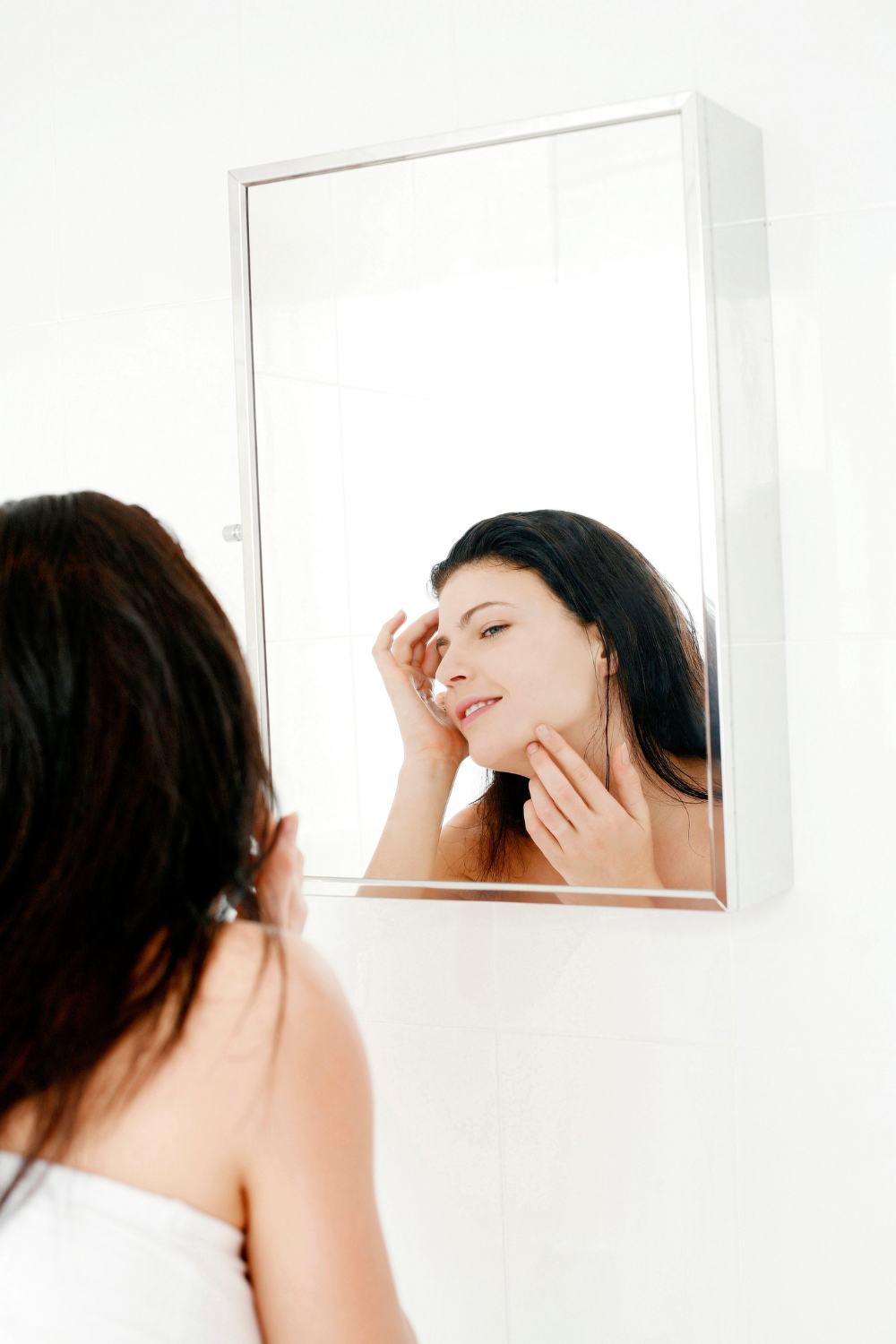
There's a pattern to it too, isn't there. It's not random. It might be along your jawline and chin, or it might show up on your cheeks, your chest, or your back. Deep, tender bumps that sit under the skin instead of coming to a head and disappearing in a day or two. They linger, and they show up again in roughly the same places, almost on a schedule.
Adult acne that feels deep and stubborn rather than surface level, that keeps coming back in the same places, and that seems to come and go with some kind of rhythm, isn't a skincare problem. It's a hormone problem. When it does cluster along the jawline and chin specifically, that location is one of the strongest tells that hormones, not surface level skincare, are behind it. For many women, this pattern is one of the clearest visible signs of PMOS | PCOS.
What's actually happening under your skin
PMOS | PCOS shows up differently for every woman. What follows is one common pattern behind this, not the only one. If it doesn't quite match your body, that doesn't mean this isn't PMOS | PCOS, it just means yours is showing up a different way.
Hormonal acne in PMOS | PCOS comes down to one main driver: androgens, the hormones often thought of as “male” hormones, even though every woman's body produces some.
In PMOS | PCOS, your body often produces androgens at higher levels than it should. Those elevated androgens do a few specific things to your skin. They increase oil production in your sebaceous glands, and they affect how your hair follicles shed skin cells, making them more likely to clog. More oil plus more clogging is a direct recipe for the kind of deep, stubborn breakouts you've been dealing with.
Insulin resistance makes this worse, and it does it in more than one way. When your cells don't respond to insulin properly, your body produces more of it to compensate. That extra insulin actually tells your ovaries to produce even more androgens, on top of what PMOS | PCOS is already driving.
This is also why acne tends to flare in a way that feels hormonal, sometimes worse around certain points in your cycle, sometimes more persistent during periods of high stress, since stress hormones interact with this same system too.
You might be wondering, if I go on medication, will that clear it up? Often, yes, at least partially, since those treatments work directly on the androgens driving this. But treating the acne without addressing the insulin resistance underneath it means you're managing the symptom while the underlying pattern stays exactly the same.
None of this is about how clean your face is or how disciplined you've been with your skincare routine. This is not your fault, and it is not a reflection of anything you did wrong. Your skin is responding exactly the way skin responds when it's being told, repeatedly, to produce more oil by hormones you can't control through a cleanser.
If you've been fighting this on your own for a while, figuring out what to actually do with all of this day to day is exactly where coaching can help. Schedule Your Free PMOS | PCOS Strategy Session and let's talk through what's actually going on.
How to tell if this is what's going on
It can show up anywhere, your cheeks, chest, or back included, though it tends to cluster most heavily along the jawline, chin, and sometimes the neck, which is one of the strongest signs that hormones are the driver rather than something surface level. It often shows up as deep, tender, cystic bumps rather than small surface pimples. It tends to be persistent, lingering for weeks rather than clearing in a few days. And it's frequently accompanied by other signs of higher androgen levels, things like excess hair growth on the face or body, or irregular periods.
If that sounds familiar, this is worth bringing up with your doctor specifically as a possible PMOS | PCOS symptom, not just a skin issue to mention to a dermatologist in isolation.
What to do next
This is genuinely a case where two different providers can both play a role, and seeing only one of them often means missing half the picture.
A dermatologist can help manage the acne itself and may recommend topical treatments suited to hormonal acne specifically. But if no one is looking at why your androgens or insulin levels are elevated in the first place, you're likely to keep treating the same flare-ups over and over.
That's why a conversation with your doctor matters just as much. Ask about hormone testing, specifically androgen levels, and about checking your insulin sensitivity through fasting glucose, fasting insulin, or an A1C. If you haven't been formally evaluated for PMOS | PCOS yet and you're noticing this pattern alongside irregular cycles or excess hair growth, say so directly. That combination of symptoms is exactly what providers are trained to look for.
Where coaching fits in
Once you understand that your acne is being driven by androgens, and that insulin resistance can increase androgens, the natural next question is what you can actually do about that day to day, beyond whatever your doctor recommends.
This is where coaching becomes valuable. Because insulin resistance responds to lifestyle factors, things like how stable your blood sugar stays throughout the day, how well you're sleeping, how you're managing stress, there's real, meaningful work to be done in that space. Not as a replacement for medical treatment, but alongside it, supporting the same root causes from a different angle.
We look at your patterns, your sleep, your stress, and build sustainable habits that support healthier insulin sensitivity over time. That work doesn't just affect your skin. It tends to support your cycle, your energy, and your mood too, since they're all connected to the same underlying hormonal picture.
If you've been fighting the same breakouts for years and starting to wonder if it's actually about your hormones, you're not wrong to wonder that.
Your free Strategy Session is a relaxed conversation where you tell me what's been going on, I listen to the whole picture, and you leave with one or two clear next steps whether we work together or not.
Schedule Your Free PMOS | PCOS Strategy Session - No pressure. No pitch. Just a real conversation about what your body might be telling you.
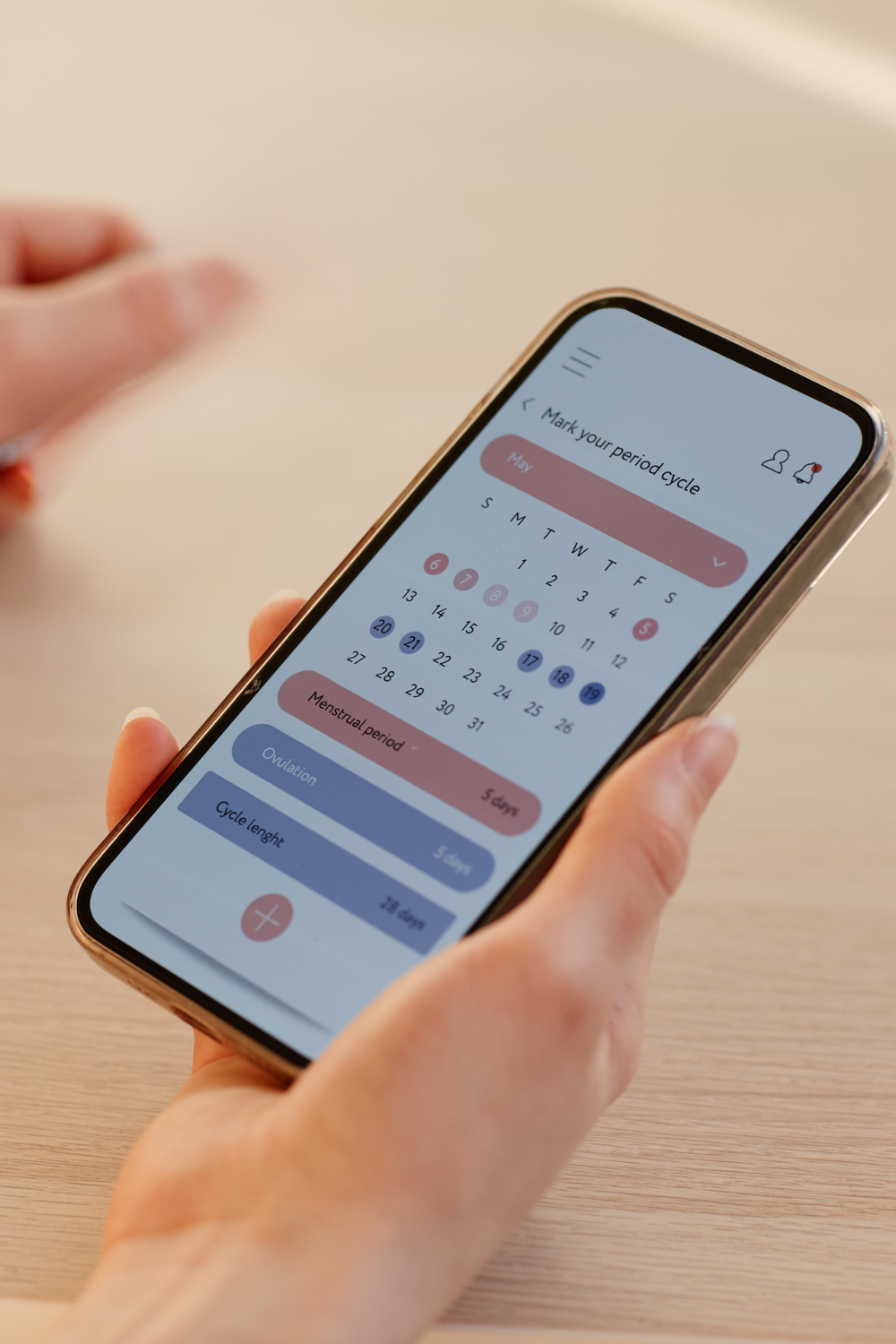
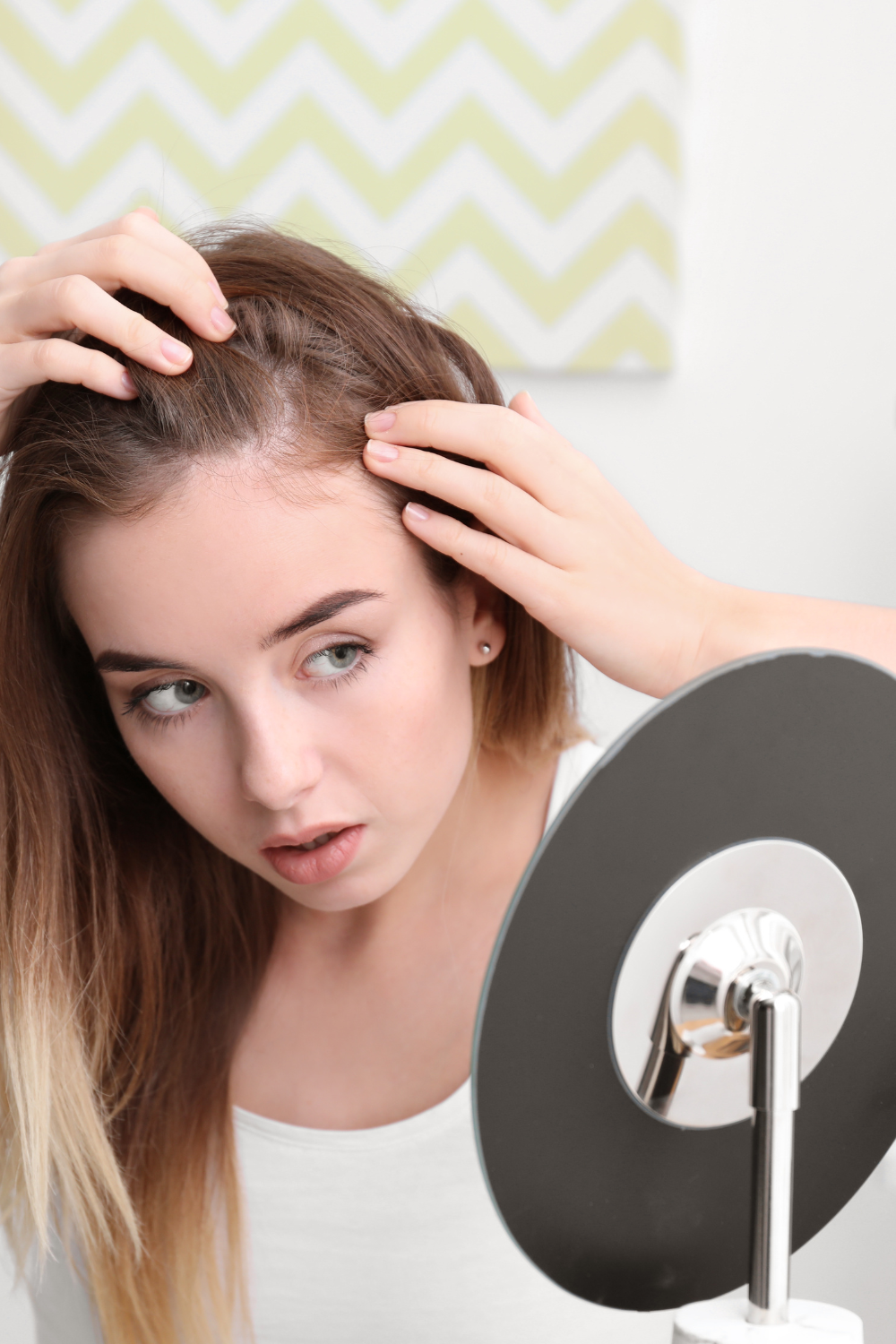
Hormonal acne rarely travels alone. It often shows up alongside dark, velvety skin patches, unwanted hair growth, thinning hair at your crown, and missed or unpredictable periods.